
5 Ways a Commercial Concrete Contractor Saves Time and Money on Big Builds
Large construction projects come with tight schedules, detailed budgets, and many moving parts. When concrete work is delayed, rushed, or poorly coordinated, the entire build can be affected. A commercial concrete contractor helps reduce those risks by planning carefully, managing crews efficiently, ordering materials strategically, and completing work with the right equipment and experience.
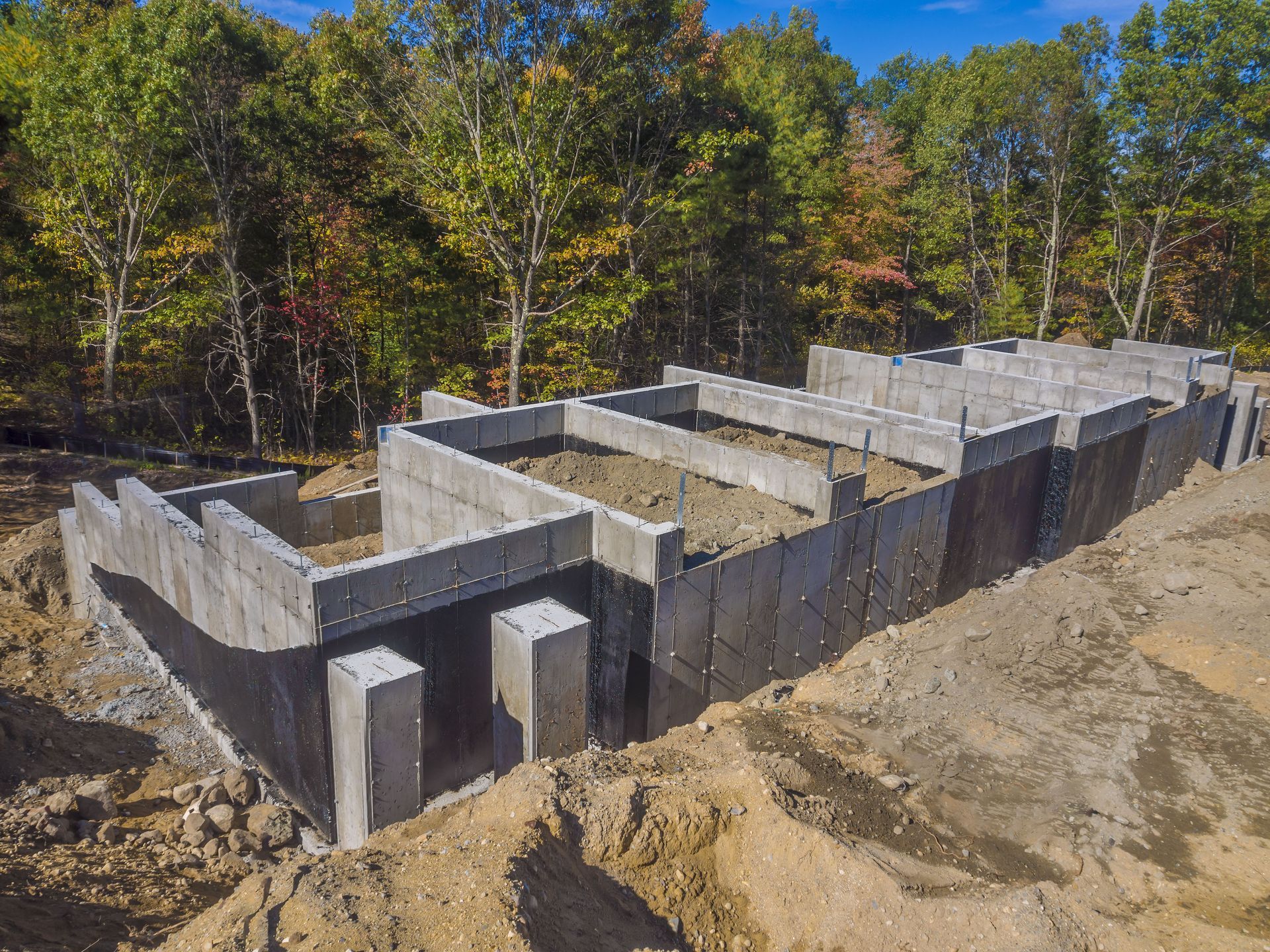
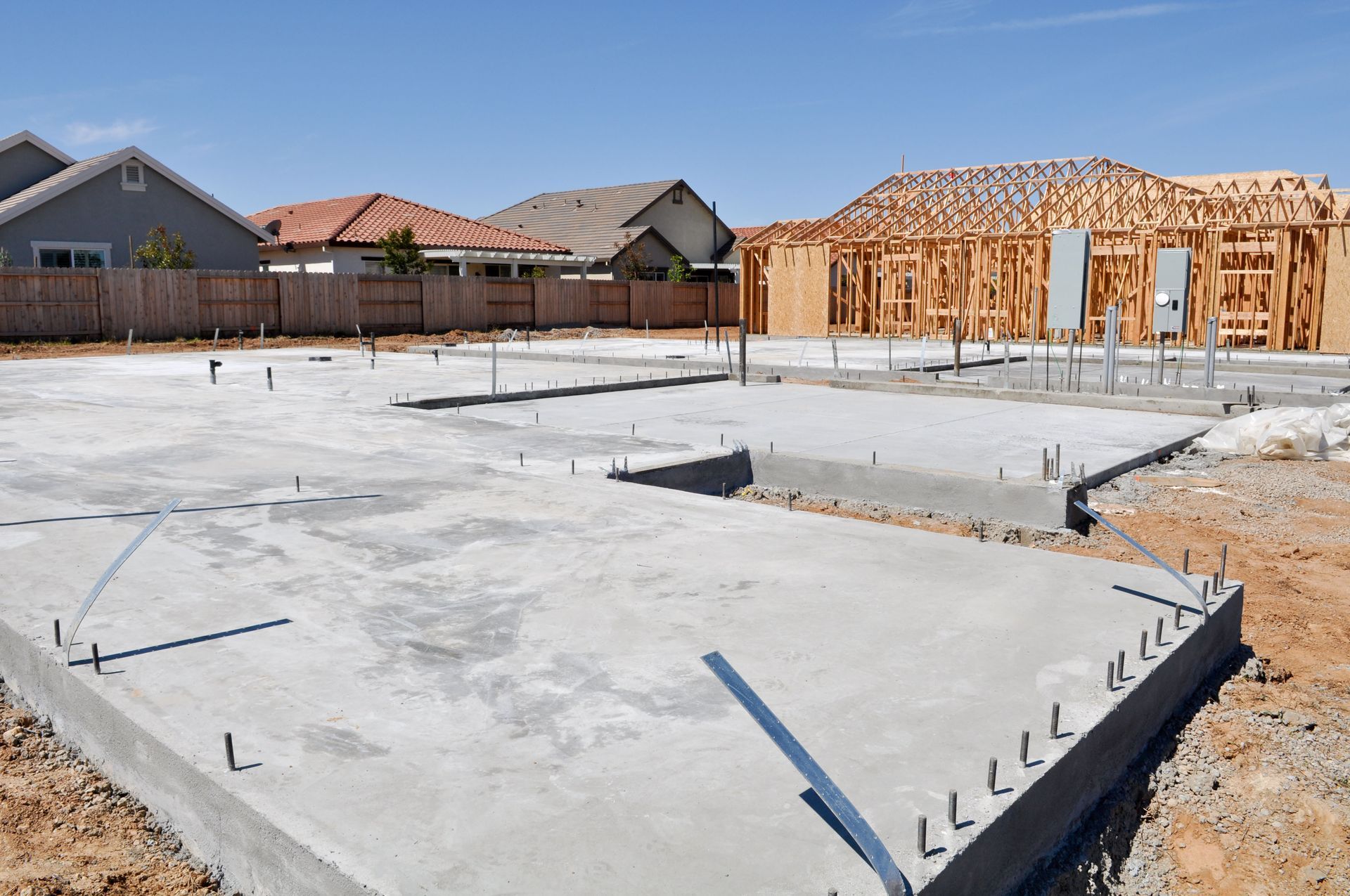
From foundations and slabs to parking areas, structural concrete, loading docks, walkways, and large-scale pours, every part of the process has an impact on cost and timing. The right contractor can help prevent delays, limit waste, reduce rework, and keep the project moving with fewer disruptions. On commercial builds, time savings and cost savings often come from the same source.
Concrete work is often tied to many other phases of construction. If a slab is not ready, framing may be delayed. If a foundation issue appears, inspections may be pushed back. If material deliveries are not timed correctly, crews may be left waiting. Here are five ways a commercial concrete contractor can save you time and money on big builds.
1. They Plan the Concrete Work Before Problems Happen
One of the biggest ways a commercial concrete contractor saves time and money is through detailed planning before work begins. Large concrete projects require careful coordination between site preparation, material delivery, equipment scheduling, inspections, labor, and weather conditions. Without a clear plan, small setbacks can quickly turn into expensive delays.
A contractor can review the project scope, study the site, identify access points, confirm timing for each phase, and coordinate with other trades. This helps reduce confusion once work begins. When everyone understands when the concrete work will happen and what needs to be completed first, the project can move forward more smoothly.
Good planning also helps limit costly rework. A commercial concrete contractor can spot potential concerns early, such as drainage issues, grading problems, formwork conflicts, reinforcement needs, or scheduling gaps. Addressing these details before the pour helps protect the budget and keeps the project from losing valuable time.
Planning also helps the project adapt when conditions change. Weather delays, delivery issues, inspection timing, and site access limitations can all affect concrete work. An experienced contractor can build flexibility into the schedule and prepare backup options when possible. That level of preparation helps reduce downtime and keeps the project from falling behind after one unexpected issue.
2. They Keep Labor and Equipment Moving Efficiently
Big builds require more than a few workers and basic tools. A commercial concrete contractor brings the crews, equipment, and scheduling knowledge needed to complete large concrete jobs efficiently. This matters because idle labor, unavailable machinery, or poorly timed deliveries can all increase costs.
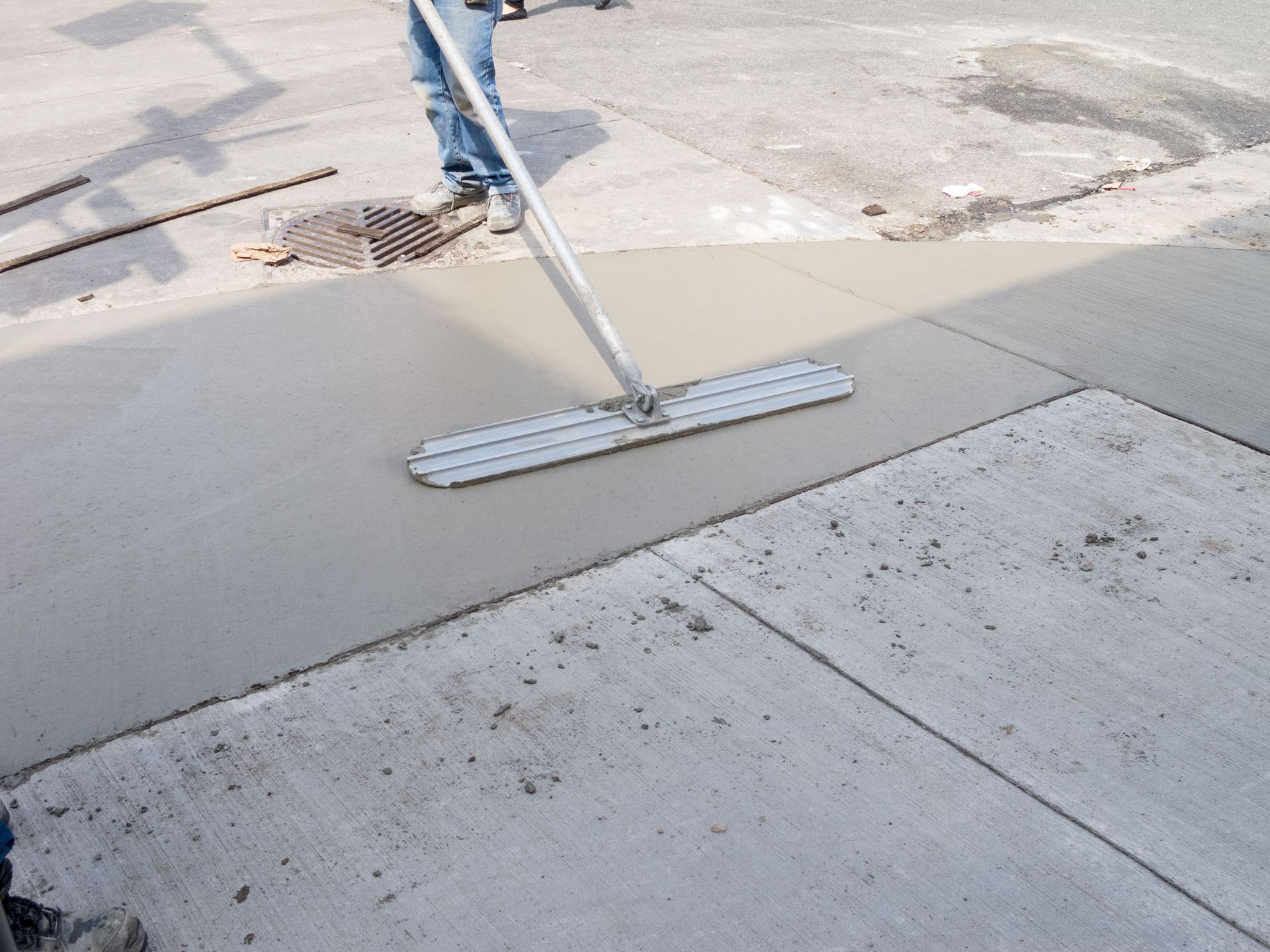
Experienced contractors know how to assign workers to the right tasks at the right time. Crews can be scheduled around site preparation, forming, reinforcement, pouring, finishing, and curing. This reduces downtime and helps each phase move into the next without unnecessary delays.
Equipment management also plays a major role. A
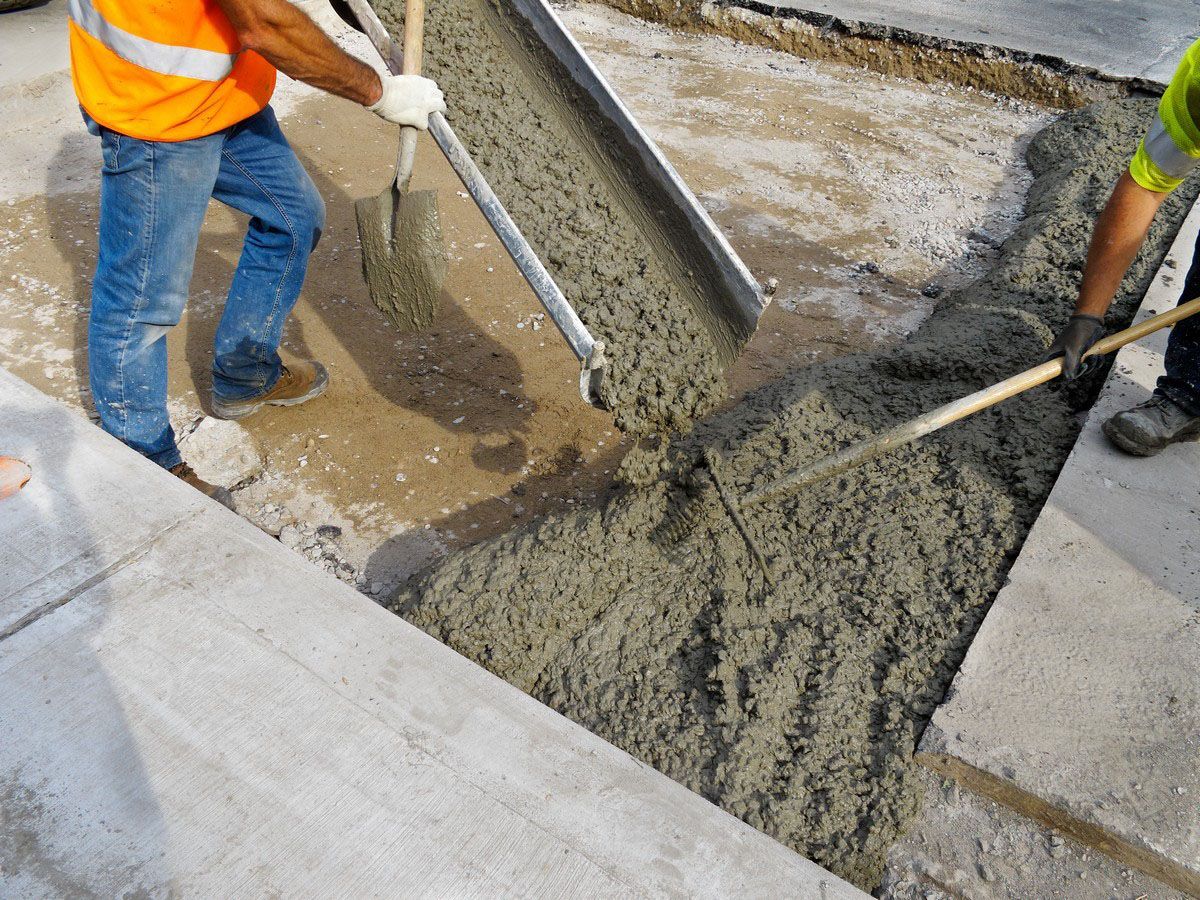
commercial concrete contractor can coordinate pumps, mixers, finishing equipment, trucks, and other machinery based on the size and timing of the project. Having the right equipment on-site when it is needed helps prevent slowdowns and supports a more efficient build.
Efficient labor and equipment use also reduces the chance of rushed work. When crews are properly scheduled and machinery is available, the job can be completed with more control. This helps protect quality while reducing the need for overtime, extra rentals, or last-minute changes that can raise project costs.
3. They Reduce Material Waste and Ordering Mistakes
Concrete projects can become expensive when materials are overordered, underordered, damaged, delayed, or wasted. A commercial concrete contractor understands how to estimate material needs accurately and manage supply deliveries for large-scale work. This helps control costs from the beginning.
Accurate ordering reduces excess material that may go unused. It also helps prevent shortages that can delay a pour or force the project to pay extra for rush deliveries. On big builds, even a small estimating mistake can affect the budget, especially when concrete, reinforcement, forms, and related materials are needed in large quantities.
A contractor can also coordinate with suppliers to schedule deliveries at the right time. This helps prevent materials from sitting on-site too long or arriving before the area is ready. When materials are managed well, the project can avoid waste, storage problems, and preventable delays.
Material management also includes choosing the right mix, reinforcement, and finishing approach for the project. Using the wrong product or method can lead to performance issues, cracking, early wear, or repairs later. According to The Spruce, asphalt driveways typically last up to 20 years, depending on the quality of the installation, the severity of the climate, the usage, and how well they are maintained. While concrete and asphalt are different materials, the same larger point applies to commercial construction: quality installation and proper material choices can affect how long a surface performs well.
4. They Help Prevent Expensive Rework
Rework is one of the most costly problems on a construction site. If concrete is poured incorrectly, finished poorly, placed at the wrong grade, or not aligned with project specifications, repairs can be expensive and time-consuming. A commercial concrete contractor helps reduce this risk through experience, supervision, and quality control.
Before the pour, the contractor can check forms, reinforcement, measurements, site conditions, and preparation details. During the pour, crews can monitor placement, finishing, timing, and consistency. Afterward, they can help manage curing and inspect the finished work for concerns.
This attention to detail saves money because it helps avoid tearing out and replacing concrete. It also saves time because other trades can continue their work without waiting for corrections. On large projects, avoiding even one major rework issue can protect the schedule and reduce overall costs.
Quality control also supports long-term value. Concrete that is properly placed and finished can better withstand heavy traffic, equipment loads, weather exposure, and daily commercial use. A commercial concrete contractor helps create work that is built for the demands of the property, which can reduce future repair needs and improve the overall return on the construction investment.
5. They Coordinate Better With Other Trades
Concrete work often affects several other parts of a build. Electricians, plumbers, framers, sitework crews, inspectors, engineers, and project managers may all depend on concrete phases being completed correctly and on time. A commercial concrete contractor can coordinate with these groups so the work fits into the larger construction schedule.
This coordination helps prevent conflicts, such as utilities being placed after concrete is poured, inspections being missed, or access areas being blocked at the wrong time. Better communication helps the project avoid unnecessary stops and starts.
A commercial concrete contractor can also adjust plans when site conditions change. Large builds rarely go exactly as expected, so having a contractor who can communicate quickly and solve problems efficiently can help keep the project on track. That flexibility saves time, reduces confusion, and helps protect the budget.
Strong coordination also supports safer, more organized job sites. When crews know where they need to be, when concrete work is scheduled, and which areas need to remain clear, the entire site can operate more efficiently. This reduces the risk of delays caused by overcrowding, blocked access, or miscommunication between trades.
A commercial concrete contractor saves time and money by planning ahead, managing labor and equipment efficiently, reducing material waste, preventing rework, and coordinating with other trades. On a big build, these details can make the difference between a project that stays on schedule and one that faces costly setbacks. Concrete is too important to treat as a simple step in the process. It often supports the structure, the site layout, the workflow, and the long-term function of the property. When concrete work is handled by an experienced contractor, the entire construction process can become more organized, efficient, and cost-effective from start to finish. Contact Henson Concrete Construction today to learn more.
Share On: